6 Possible Psoriasis Complications (and How to Reduce Your Risk)

Nov 09, 2026
6 Possible Psoriasis Complications (and How to Reduce Your Risk)

Psoriasis isn't just a skin issue; it's a systemic inflammatory condition that can impact many aspects of your health. Read on to learn more.

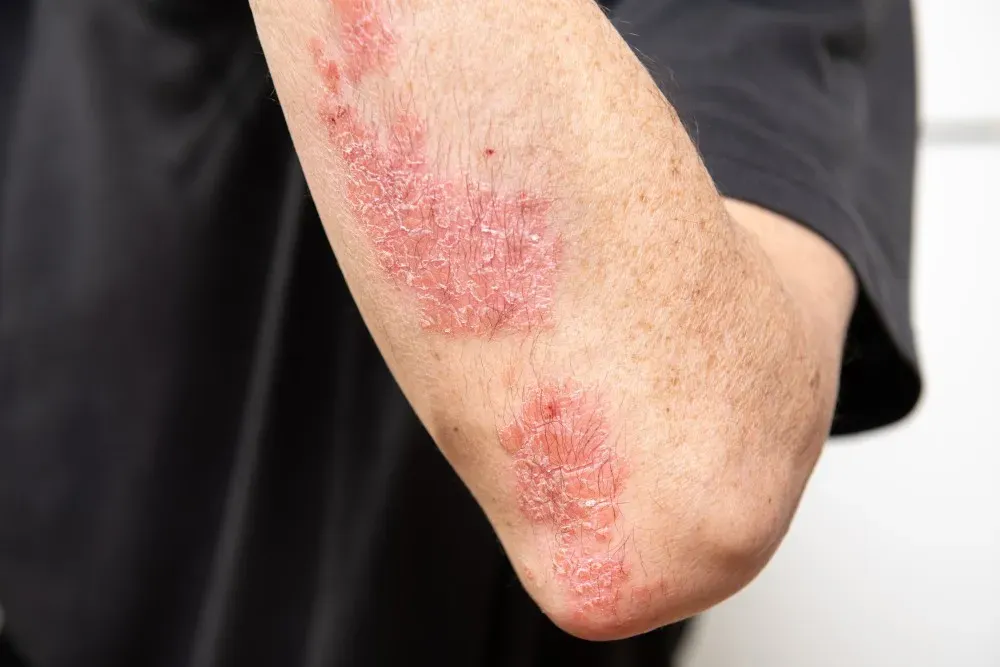
Living with psoriasis means managing red, scaly plaques that itch or burn. However, psoriasis isn't only limited to your skin. It's a chronic inflammatory disorder, and thus  psoriasis can affect internal organs and overall health over time.

More than 8 million Americans live with psoriasis, but many remain unaware of the secondary health risks associated with it. Addressing systemic inflammation early helps to protect your body from long-term damage and improves daily comfort.

Our team at Integrated Dermatology of NJ helps patients in Spotswood, NJ, to  handle the full impact of  inflammatory skin conditions. Our providers devise individualized treatment plans that target skin lesions and lower systemic risk factors. 

Here, they explain everything you need to know about the potential complications of psoriasis.

Psoriatic arthritis and cardiovascular health

Systemic inflammation can expand beyond skin cells and attack joint tissue and blood vessels.

  • Psoriatic arthritis: Up to 30% of people with psoriasis develop psoriatic arthritis, which causes joint pain, stiffness, and swelling, often affecting the fingers, toes, knees, or lower back. Left untreated, it leads to permanent joint damage.
  • Cardiovascular disease: Persistent inflammation damages blood vessels, raising the risk of heart attacks and strokes. 

Targeting joint stiffness early keeps your body active and protects your vascular system.

Managing your weight and tracking blood work helps minimize these internal risks.

How to lower your risk of complications

While psoriasis increases health risks, strategic actions can significantly reduce your risk of severe complications.

  • Follow your prescribed treatment regimen from Integrated Dermatology of New Jersey, which means consistently using topical treatments, biologics, or oral medications to keep systemic inflammation under control.
  • Eat an anti-inflammatory diet: Focus on whole foods, leafy greens, fatty fish, and nuts while limiting processed sugars, refined carbohydrates, and red meat.
  • Manage stress: Stress triggers psoriasis flare-ups by spiking cortisol and inflammatory cytokines. Practice mindfulness, yoga, or regular breathing exercises.
  • Avoid smoking and limit alcohol: Tobacco and heavy alcohol use trigger flare-ups, reduce treatment effectiveness, and raise cardiovascular risks.
  • Schedule routine health checks: Regularly monitor your blood pressure, cholesterol, blood glucose, and joint health with your primary care provider.

Taking active control of your health reduces the frequency of flare-ups and protects your overall well-being. For help managing psoriasis and all of your dermatology concerns, contact our office or request an appointment online.